Magazine pages and drawings representing Masami Omachi’s Zero fighter solid model article

SPECIAL FEATURE 02

Masami Omachi
Zero Fighter Building Articles

Reading solid model technique through magazine text, drawings, and instruction.

Magazine Article Masami Omachi Zero Fighter Solid Model Method

READING THE ARTICLE

Even without work-in-progress photographs, the thinking behind the making can still be read.

Masami Omachi’s Zero fighter articles do not preserve the kind of detailed work-in-progress photographs found in Kazu Fukuda’s later build records. Yet they contain something equally important: text, drawings, procedures, and a visual path toward the completed form.

Omachi sought to spread the solid model techniques of his time through the pages of postwar Japanese model magazines. He died at the young age of twenty-six, and later came to be remembered as a legendary modeler. For that reason, the articles and works that remain are limited in number, but they have a special value as traces of a culture that was still being taught, shared, and handed on.

This special feature reads Omachi’s illustrations and explanations not merely as aids to construction, but as records of how postwar Japanese model magazines transmitted the practice and philosophy of solid model making.

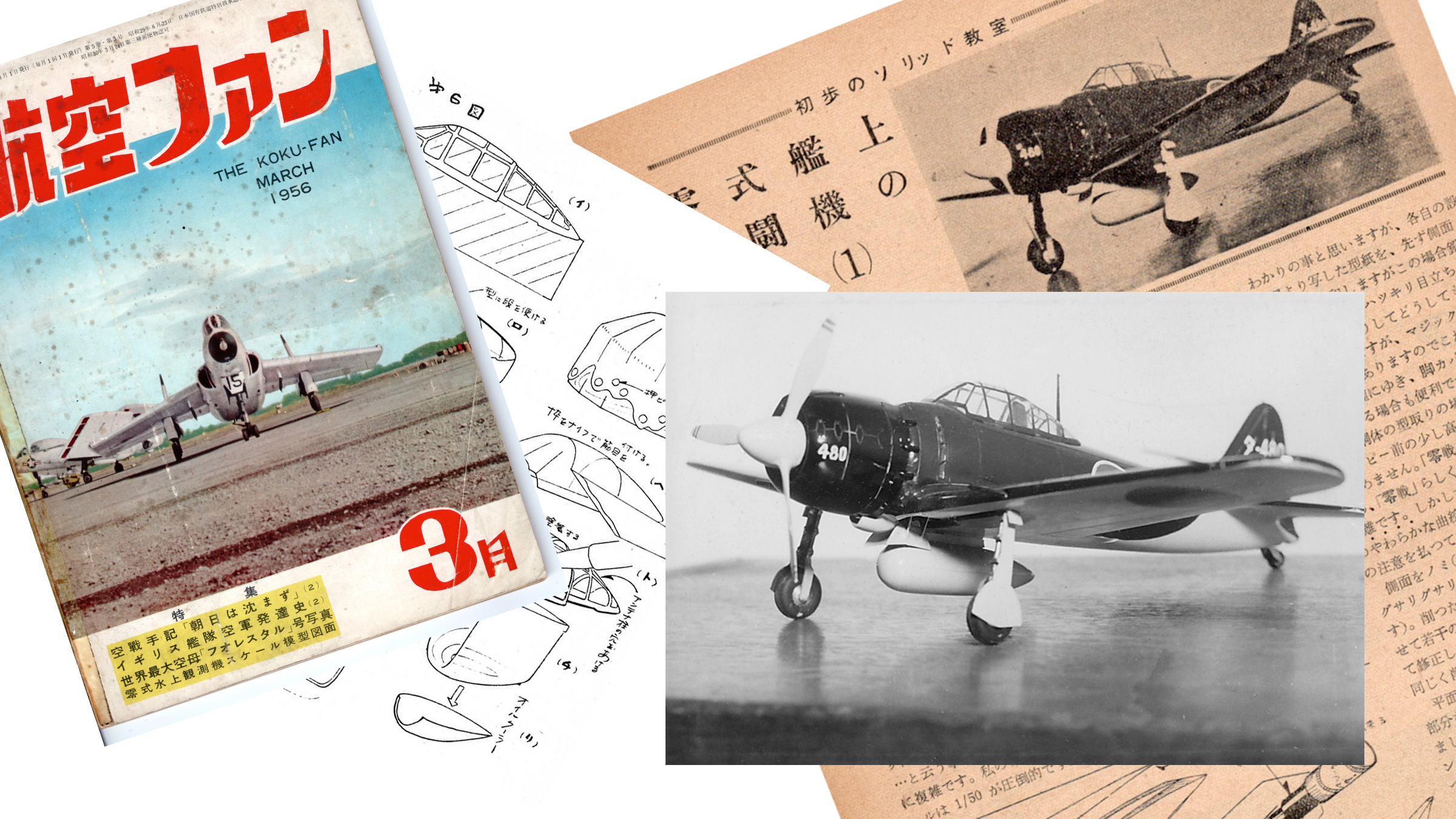
Magazine pages from Masami Omachi’s Zero fighter building article
Magazine article as a preserved record

A build record
preserved as a magazine article.

Records are not preserved only through photographs.

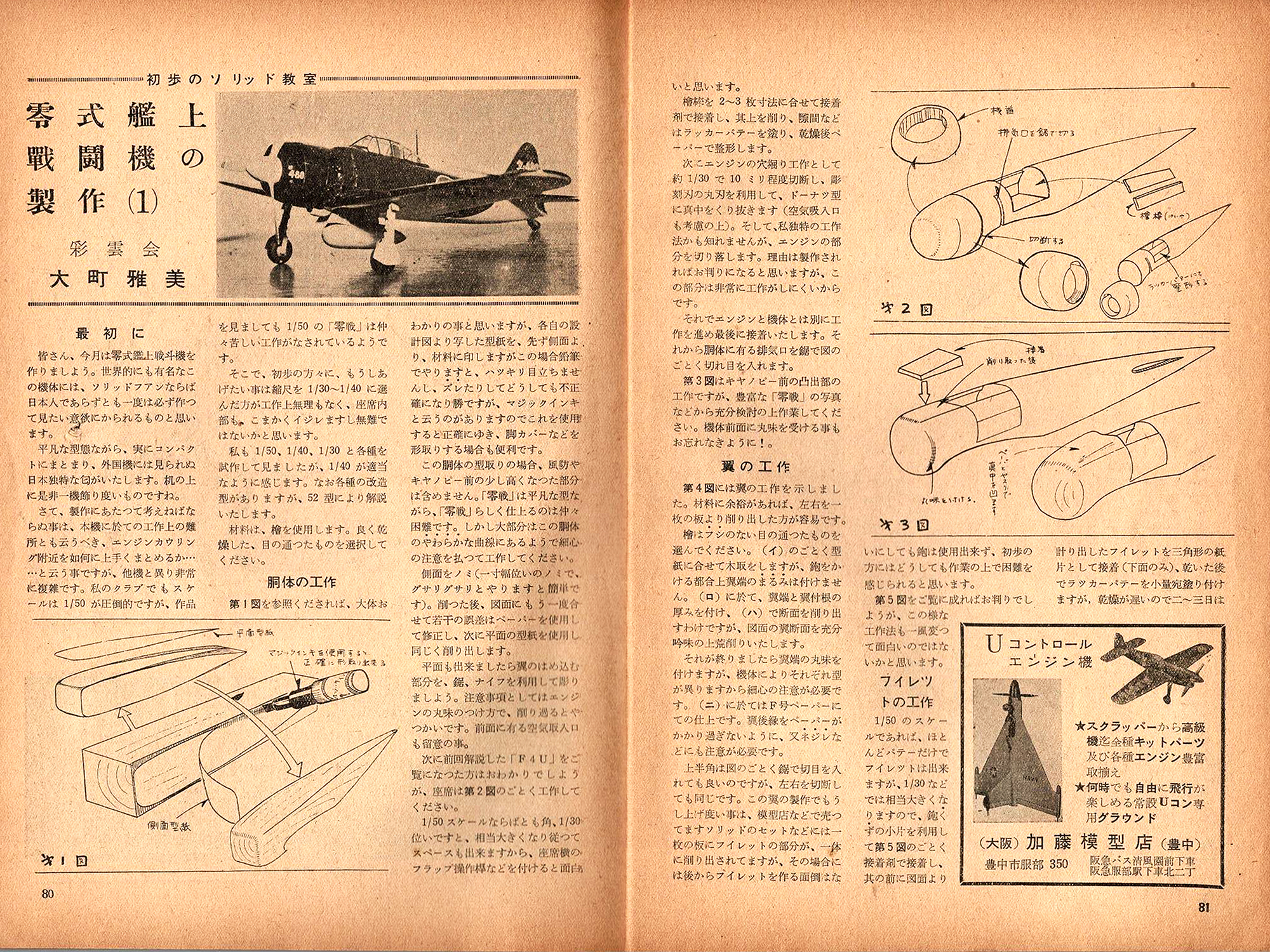
Omachi’s article is not a sequential photographic record of the making process. However, the text and drawings printed in the magazine served as an important record for readers who wanted to understand how a solid model should be made.

The article shows what the maker considered important: how to begin, what to observe, how to interpret the aircraft’s form, and what kind of finished image the reader should aim toward. In this sense, the magazine page itself becomes a record of making.
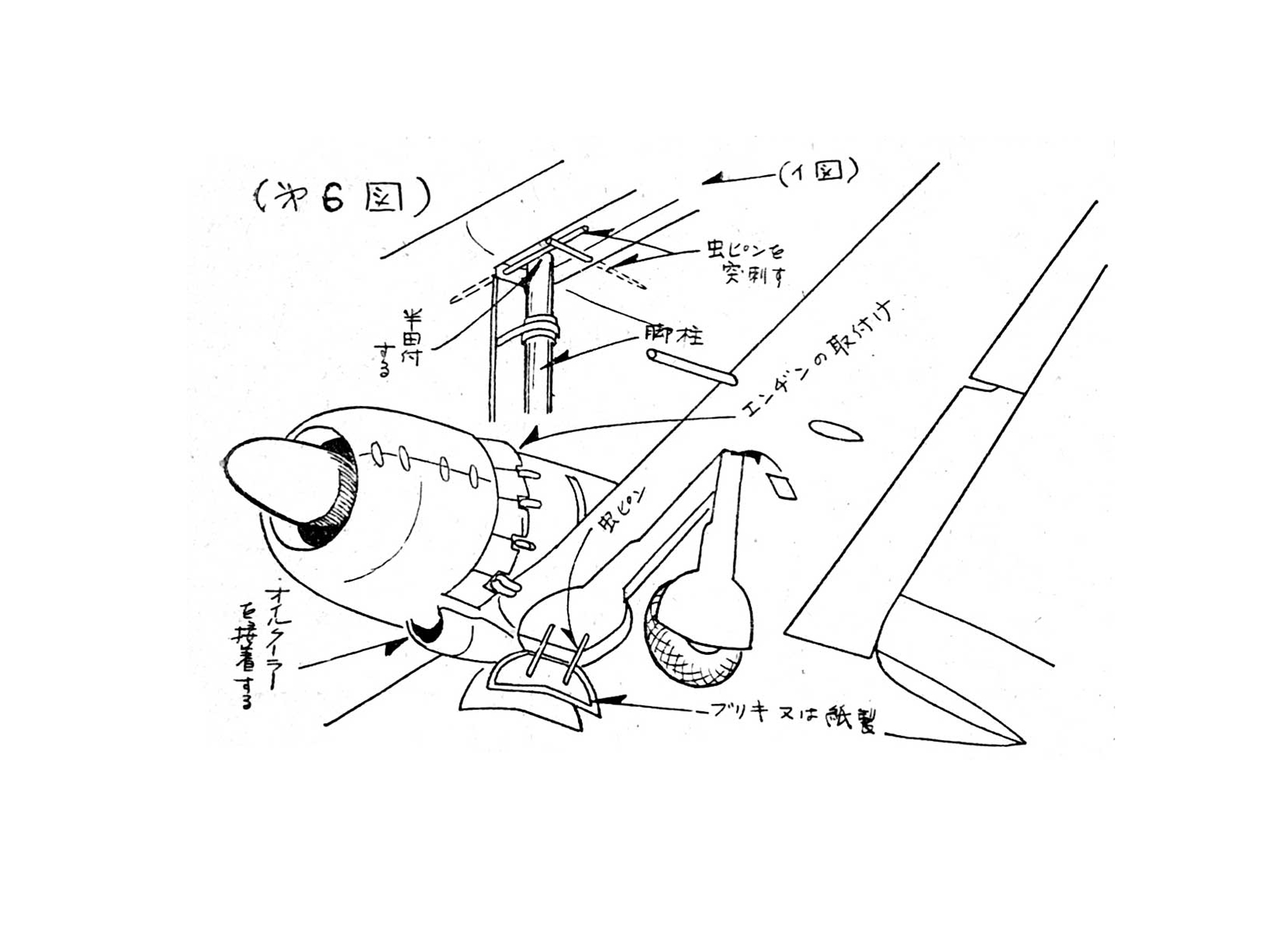
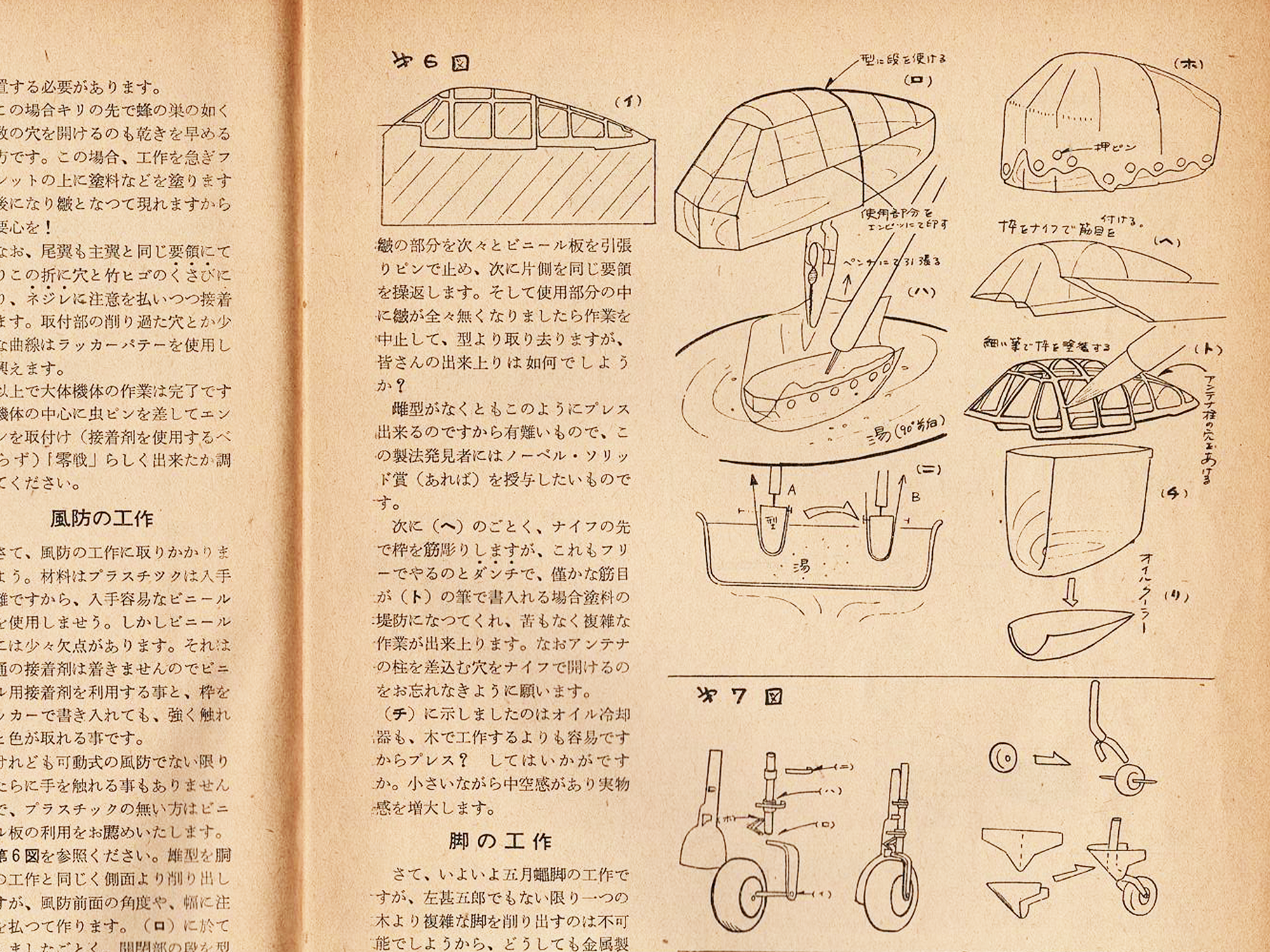
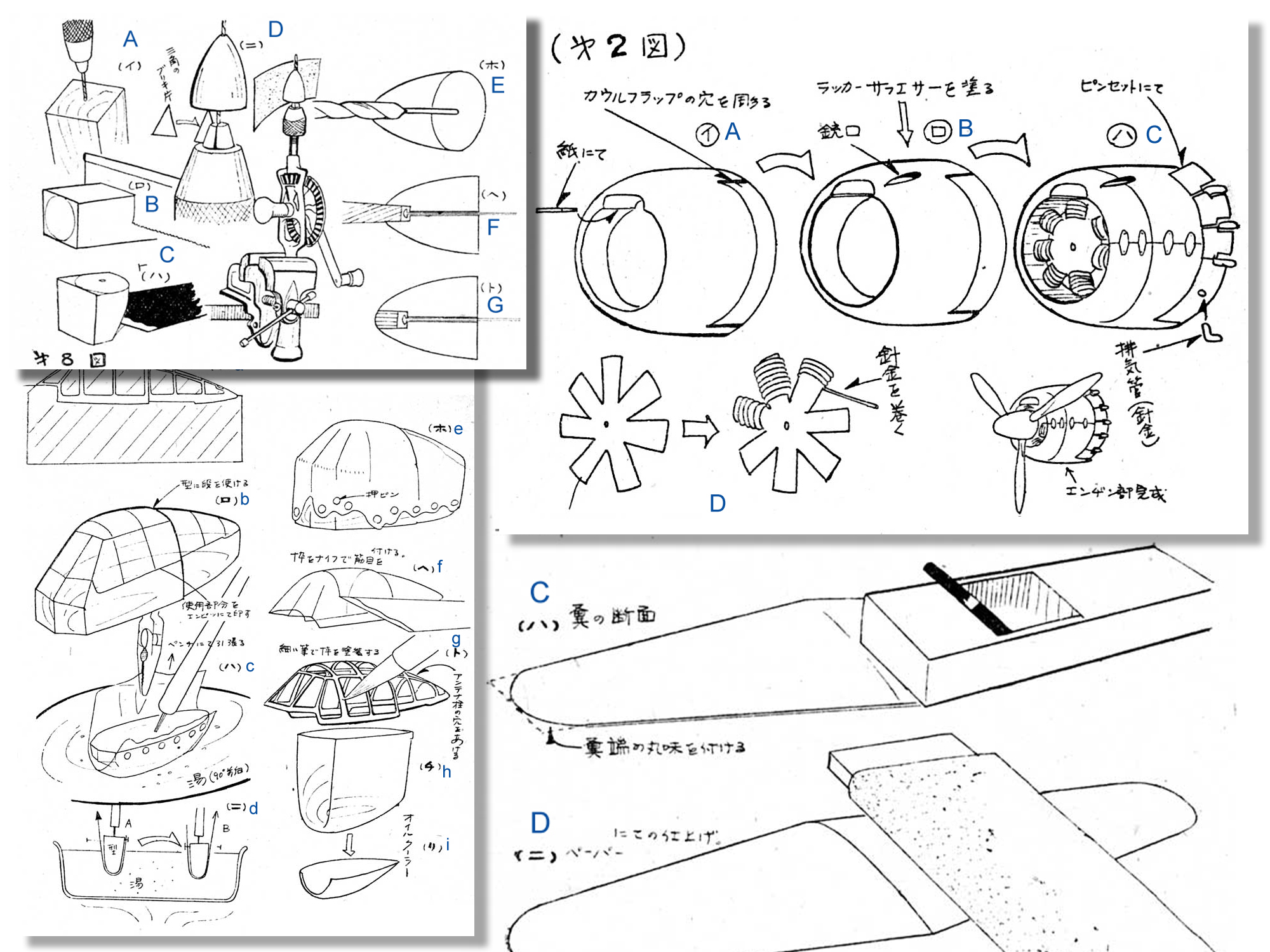
Illustration from a Zero fighter solid model building article
Drawings and illustrations as instruction

Drawings are a language
for explaining the work.

In place of photographs, drawings show the path of construction.

When work-in-progress photographs are absent, drawings become a vital medium connecting the maker and the reader. They do more than show the appearance of a completed model. They indicate where to look, what to compare, in what order to proceed, and how to grasp the form.

The drawings in Omachi’s article should not be treated as mere decoration. They can be read as visual explanations for understanding the aircraft’s shape and for carving that shape out of wood.

Magazine illustration explaining the method of building a Zero fighter solid model
Method, sequence, and reading of form

How did the article teach readers
to read the form of the Zero?

Solid model making is not simply copying a drawing.

The form of an aircraft cannot be fully understood from a plan or side view alone. The roundness of the fuselage, the relationship between wing and body, the taper of the tail, and the impression around the canopy all require interpretation as three-dimensional form.

Omachi’s article gives readers a route into that interpretation. What matters here is that the article does not function only as a set of instructions. It also guides the reader toward a way of seeing form.

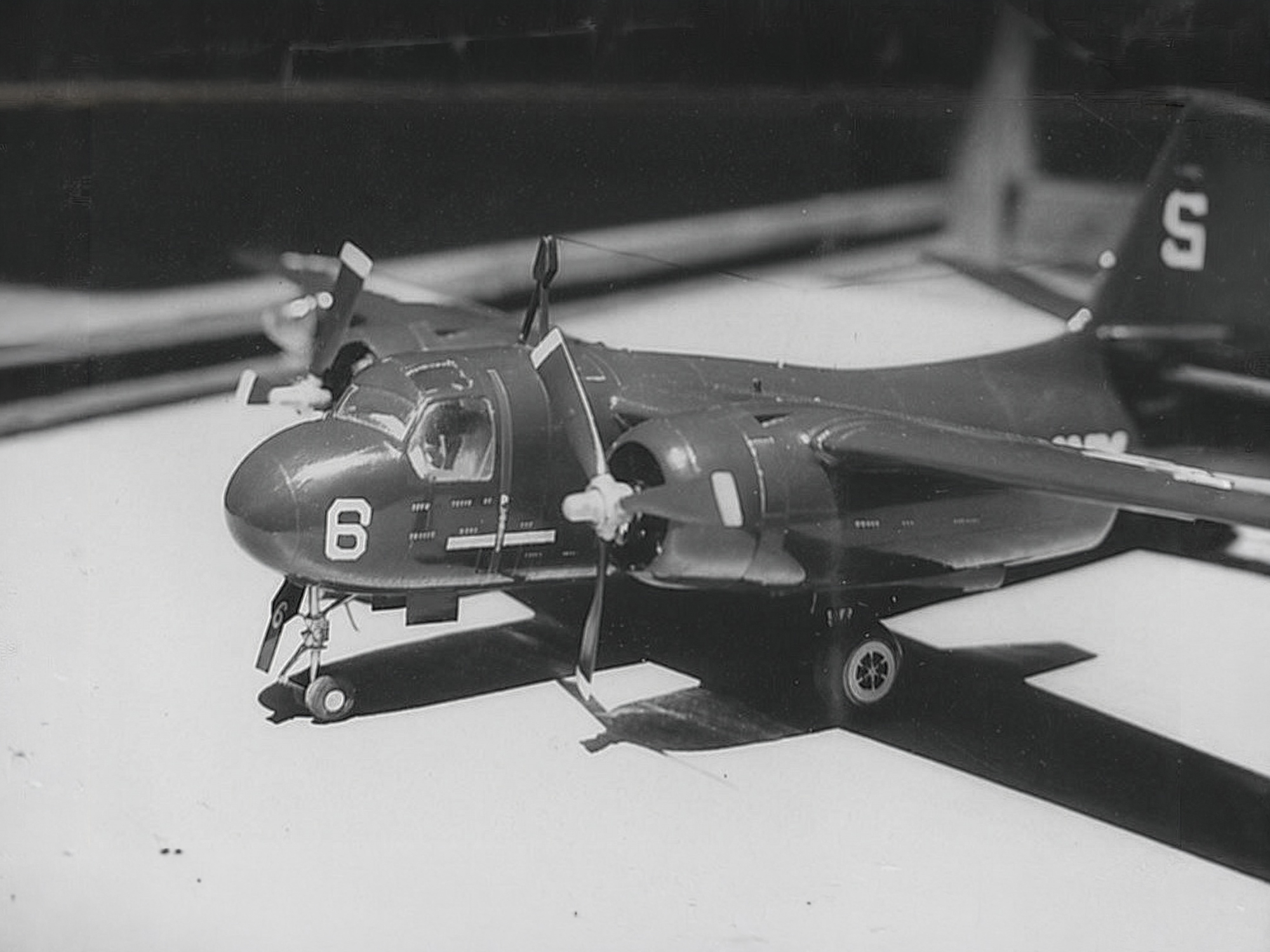
Completed model photograph from a related article by Masami Omachi
Related completed works shown in magazine articles

What can completed model photographs
add to the reading?

They are not work-in-progress photographs of the Zero, but they help us understand the finished image.

Omachi’s Zero fighter article itself does not preserve detailed photographs of the construction process. However, completed model photographs from related articles provide useful clues for understanding the kind of finished form and visual persuasion that Omachi sought to present to readers.

These photographs are not direct evidence of the Zero’s construction process. Yet they help us understand how completed models were shown in magazines, how solid models were expected to convince the viewer, and how such works were valued within model culture.

Archival material representing the legacy of Masami Omachi’s solid model articles
What the article preserves

What Omachi’s articles
left behind.

They are not merely examples of one aircraft, but records of a culture of transmission.

The value of Omachi’s articles does not lie only in the subject of the Zero fighter. They show how solid model making was explained, how technique was organized for readers, and how knowledge was shared through the printed page.

To show not only a completed model, but also how to make it, was to keep solid model making from remaining a private skill. It was a way of passing the technique on to the next maker.

Because Omachi died so young, the surviving record is limited. Precisely for that reason, each article that remains should be read carefully as part of the history of Japanese solid model culture.

ARCHIVE GATEWAY

Toward the detailed article materials.

This page is an entrance for reading Masami Omachi’s Zero fighter building articles. Magazine images, article text, related works, and author information will be organized in the main archive.